Posts

Psalm 80

Image
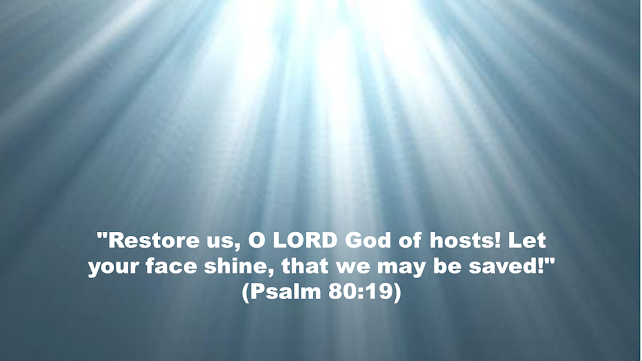
Psalm 80 is another community lament of Asaph.  It is set "according to Lilies" like Psalms 45, 60, and 69.  Two metaphors used to describe God's People in this psalm are sheep and a vine.  The chorus in verses 3, 7, and 19 prays for God's restoration and His face to shine upon them for salvation.  Following are some reflections that may be beneficial to consider when meditating on this psalm: Verses 1-2 As the psalmist prays for Israel, he mentions specific tribes.  Think of names of specific people you would like to be praying for. Verses 3, 7, 19 ( repeated chorus with slight variations ) What does "restore," "return," or "turn us back" indicate? As with the Priestly Blessing in Numbers 6:24-26, the psalmist prays that the LORD would make His face to shine.  What would cause God not to shine His favor and blessing on us?  Verses 4-6 What are some ways in which God might discipline me for my sins? Verses 8-16 The vine is often used as a...

Psalm 79

Image
  Psalm 79 likely refers to the Babylonian destruction of Jerusalem and the Temple.  The psalmist prays for God to avenge against pagan enemies for the bloodshed, indignity, mocking, and derision suffered, but also to forgive their own iniquities.  The emphasis is that all will be done for the glory of God's Name to be known among the nations.  In anticipation of answered prayer and preservation from death, the psalm closes with thanksgiving and praise now and in the future. Following are some reflections that may be beneficial to consider when meditating on this psalm: Verses 1-4 What are some ways in which the people of God and the Church have suffered attacks, horrible indignations, mocking, and derision? Verses 5-8 Whenever we bring our requests to God in prayer, are there also sins that we need to confess first? Verse 9 How might my perspective of what I pray for change, when primarily motivated by the glory of God's Name to be made known? Verses 10-13 Even in t...

Psalm 78:40-72

Image
  Psalm 78 is the second longest psalm (only Psalm 119 is longer). This latter part of Psalm 78 continues to recount examples from Israel's history when they grieved God through their rebellion and testing.  The people even worshipped idols as they forgot the power of God, which had been demonstrated through their redemption from slavery in Egypt with the plagues, the parting of the Red Sea, and victory over enemy nations in the Promised Land.  Yet, the psalm still closes with hope referencing David and the Temple in Zion, which ultimately point to Jesus as the Good Shepherd and His presence among the flock. Following are some reflections that may be beneficial to consider when meditating on this psalm: Verses 40-41 Are there examples from my own life of rebellion and testing God "again and again"?  If so, take time to confess and repent. Verses 42-55 What are some of the marvelous and powerful things God has done for us? Verses 56-64 Sin, like an arrow shot from "a ...

Psalm 78:1-39

Image
  Psalm 78 is the second longest psalm (only Psalm 119 is longer).  The beginning part of Psalm 78 emphasizes the need to teach the next generations about the "glorious deeds of the LORD, and his might, and the wonders that he has done" (v. 4), so that they would trust in God and not forget.  Examples are recounted from Israel's history of their stubbornness and rebellion when they forgot God's law and works.  The people sinned and broke the covenant even though God had delivered the from Egypt and provided for them in the wilderness with water, manna from heaven, and even quail meat. But God continued to be compassionate and merciful despite their unfaithfulness. Following are some reflections that may be beneficial to consider when meditating on this psalm: Verses 1-8 Psalm 78:2 is quoted in Matthew 13:35 to show that Jesus fulfilled prophecy by teaching in parables.  Why is it so important for us also to share testimony and teach God's commands, especially to...

Psalm 77

Image
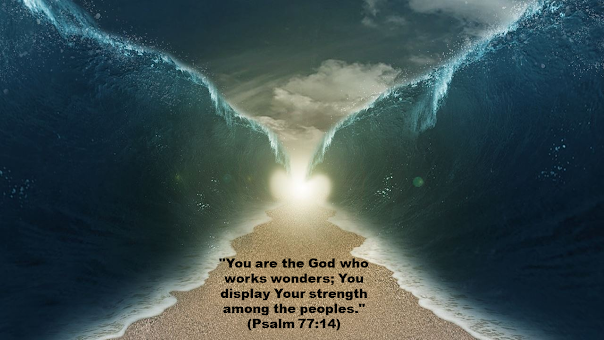
  Psalm 77 is a lament, crying out to God in sleepless anguish.  The psalmist remembers a time when the Lord did not spurn them in anger, which indicates that they are currently experiencing the consequences of their sin and disobedience.  Yet, the psalmist also remembers who God is and all that He has done.  Thus, his hope is still in the all powerful God, who through mighty deeds has redeemed and delivered His people. Following are some reflections that may be beneficial to consider when meditating on this psalm: Verses 1-3 From the example of the psalmist, what should we continually do in times of trouble when our soul groans and our spirit is faint both day and night? Verses 4-6 What can I do during sleepless nights? Verses 7-9 We know that God is faithful to His promises, His steadfast love is forever, and He is always gracious and compassionate.  Thus, how might remembering who God is be helpful when we are full of questions? Verses 10-15 How might remembe...

Psalm 76

Image
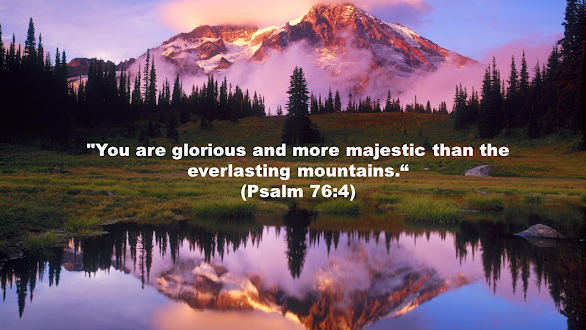
  Psalm 76 is another song of Asaph.  This psalm declares that the glorious God of Judah and Israel is to be feared.  He is more powerful than enemy armies; He is able to break their weapons and cut them off in stunning victory. Following are some reflections that may be beneficial to consider when meditating on this psalm: Verses 1-3 The mention of both Judah and Israel shows that God is known throughout the land, and the references to Salem (the ancient name for Jerusalem) and Zion point to His presence among His people as symbolized by the Temple.  Thus, what do these verses indicate are my best defenses against the Enemy's weapons when fighting spiritual battles? Verses 4-9 How might these verses provide encouragement in battles against evil? Verses 10 Similar to Genesis 50:20a, " As for you, you meant evil against me, but God meant it for good ," why is it important to remember that God can turn wicked intentions of man to work together for good instead? Verses ...

Psalm 75

Image
  Psalm 75 is a song of Asaph in which the people give thanks to God because His "name is near" as they recount His "wondrous deeds."  The theme in wisdom literature is emphasized throughout the psalm with the references to God's equitable judgment and is summarized in the closing, "All the horns of the wicked I will cut off, but the horns of the righteous shall be lifted up" (v. 10). Following are some reflections that may be beneficial to consider when meditating on this psalm: Verse 1 In what ways might recounting God's wondrous deeds in thankfulness bring God's Name to be near? Verses 2-5 When are times that God has kept the PILLARS steady even though the earth and all those around me seemed to be tottering? The HORN represents power and strength.  What do these verses teach me about power and strength? Verses 6-8 What comes to mind when I think about God's CUP of judgement? Verses 9-10 Though it may seem strange to sing praises about G...